
Nutritional value of grain crops
Values are given per 100 g of raw product. For comparison purposes, the refined counterpart of whole grain flour and wild rice are also included.
| Nutritional Value | Unit | White wheat flour | Whole grain wheat flour | Brown rice |
|---|---|---|---|---|
| Energy | kcal | 364 | 340 | 357 |
| Protein | g | 10.3 | 13.2 | 8.3 |
| Total fat | g | 1 | 2.5 | 2.6 |
| Carbohydrates | g | 73.6 a | 73.5 | 55.7a |
| Fibre | g | 3.6 | 6.5 | 8.7 |
| Calcium | mg | 13 | 41 | 33 |
| Iron | mg | 3.3 | 2.1 | 1.3 |
| Magnesium | mg | 43 | 64 | 84 |
Potential usage of grain crops
Staple Foods: Grains like rice, wheat, and corn are processed into flours for bread, pasta, and tortillas, or served directly as steam rice and porridge.
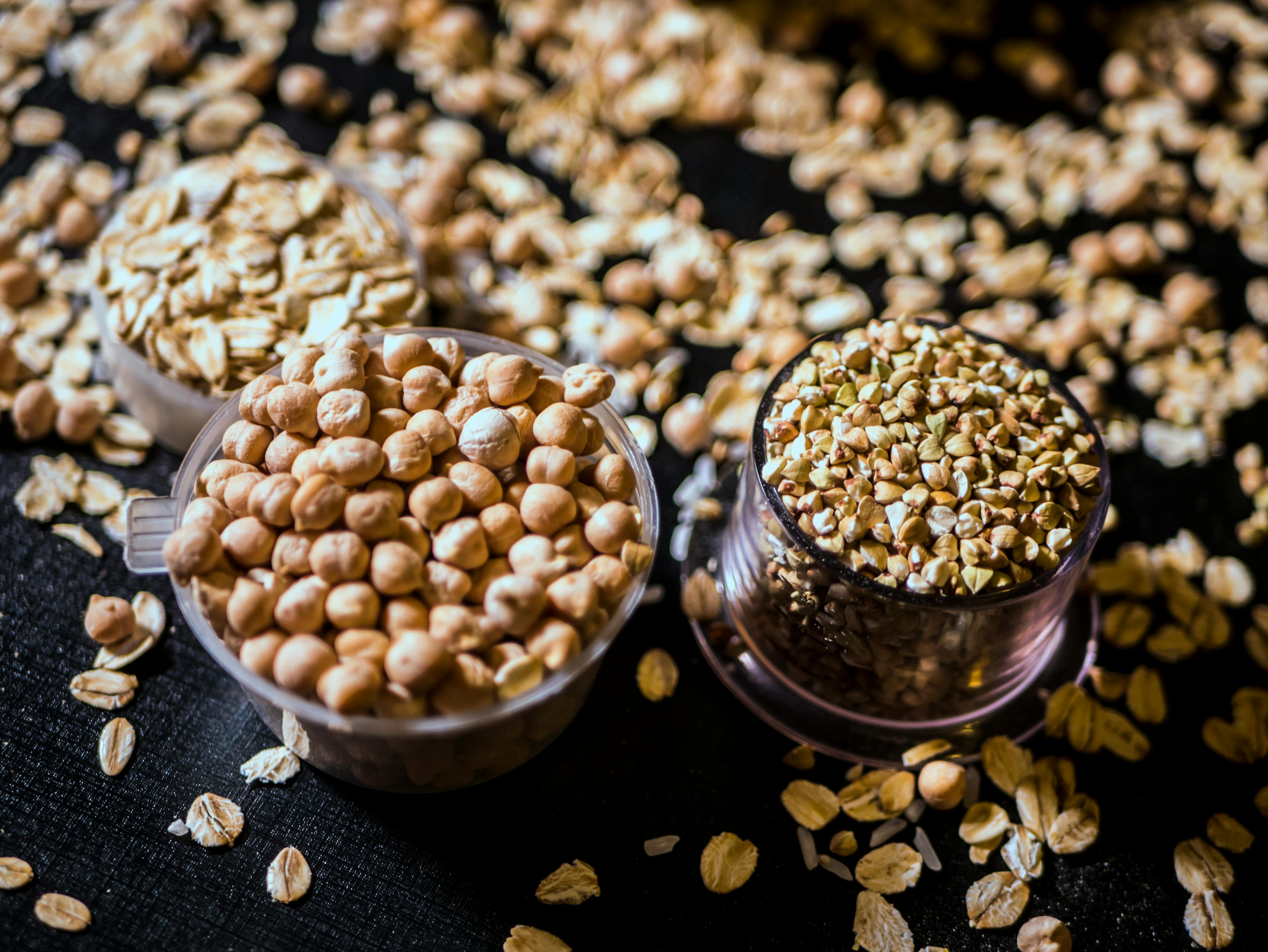
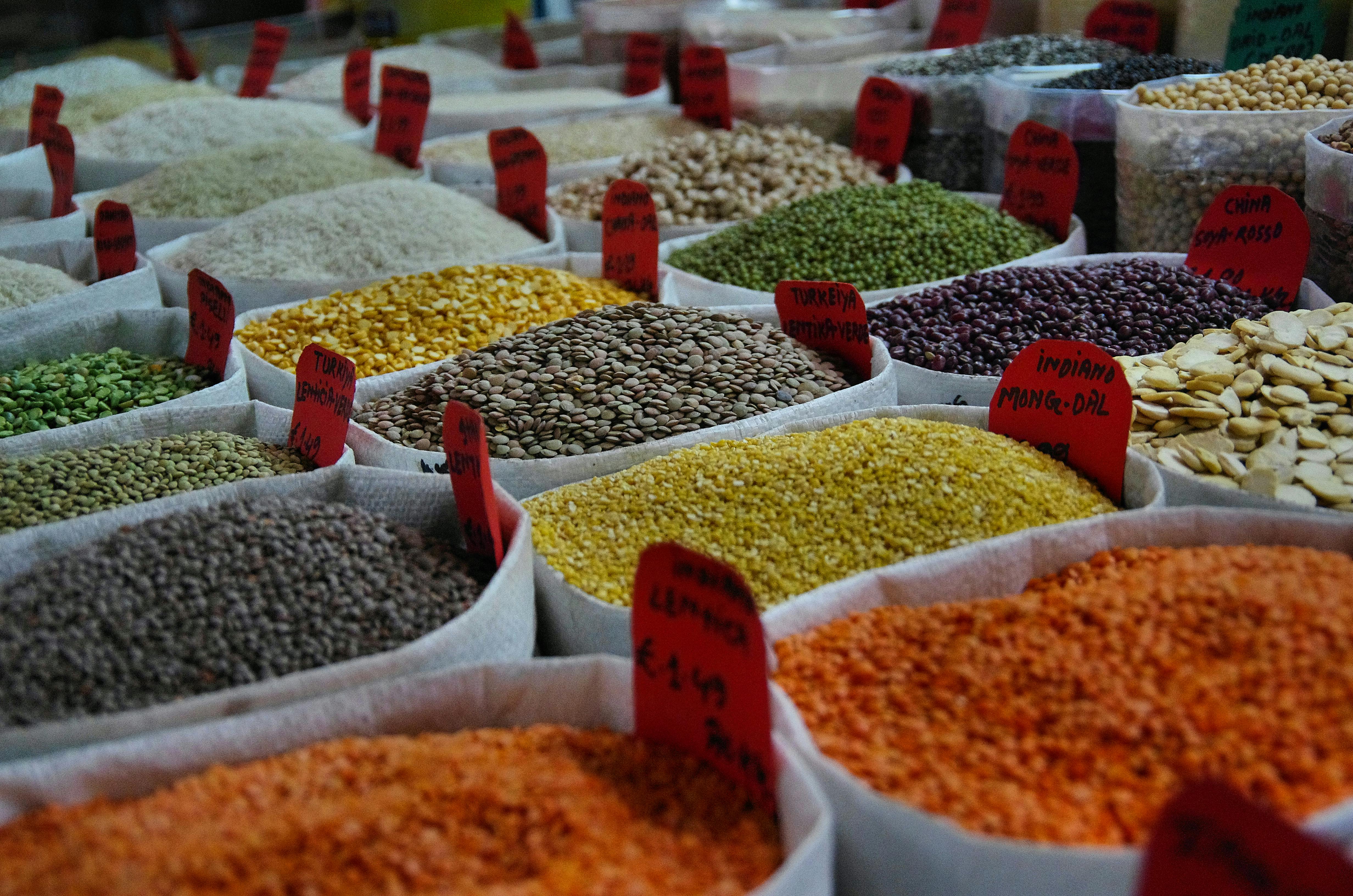
Nutritional Value: They are a primary source of carbohydrates, fiber, and essential nutrients, contributing significantly to global food security.
Fermented Products: Grains are also fermented to produce beverages such as beer.
Livestock and Poultry: A significant portion of harvested grains is used as animal feed for livestock and poultry, which are then consumed by humans as meat, dairy, and eggs.
Biofuels: Grains are used to produce ethanol for motor fuels.
Oils and Ingredients: They are processed to extract cooking oils, glucose, and other food ingredients.
Common grain crops
Wheat:
A staple grain used for bread and other baked goods.
Corn:
Corn grains. Corn is a sweet grain first cultivated in Mexico from wild grass over 10,000 years ago.
Barley:
Used in livestock feed, for brewing, and as a whole grain.
Oats:
A whole grain and a staple food, often consumed as oatmeal.
Rice:
A major staple food for a large portion of the world's population.
Sorghum:
A cereal grain that is a staple food and used in animal feed.
Cultivation methods of grain crops
Seedbed Preparation:
- Tillage: The soil is turned and broken up to create a fine, even seedbed.
- Leveling: The field is leveled to ensure uniform water distribution and promote good seed-soil contact.
- Soil Conditioning: Compost or other organic matter may be added to improve soil fertility and structure.
Sowing:
- Seed Selection: Choose high-quality seeds suited to the local climate and soil conditions.
- Covering: Seeds are covered with a thin layer of soil to protect them from birds and the elements, ensuring proper germination.
Crop Management:
- Fertilization: Apply fertilizers to provide essential nutrients for optimal plant growth and yield.
- Irrigation: Provide water, especially during early growth and dry periods, to support root system development and grain filling.
- Weed, Pest, and Disease Control: Implement practices like crop rotation and targeted treatments to manage weeds, pests, and diseases.
Harvesting:
- Timing: Harvest when the grain heads turn golden yellow, the plants become brittle, and the grains are hard.
- Method: Grains can be harvested manually using a sickle or mechanically with a combine harvester.
Soil requirements of grain crops
- Texture: Medium-textured soils like loam are preferred because they provide a good balance of sand, silt, and clay for nutrient retention and good drainage.
- Drainage: Well-drained soil is crucial to prevent waterlogging and ensure good air circulation for root health.
- Fertility:Soils must be fertile and rich in organic matter to supply the necessary nutrients for robust plant growth.
- Structure:A well-structured soil allows for good root proliferation and air exchange, which is vital for nutrient and water uptake.
- Moisture: Adequate soil moisture retention is important, but must be balanced with good drainage to prevent waterlogging.
Harvesting techniques of grain crops
Manual Harvesting
This traditional method uses simple tools and is often for small-scale farming.
- Reaping: Farmers use hand tools like sickles to cut the stalks.
- Threshing: The cut grain is then beaten or flailed against a surface or a tarp to separate the grains.
- Winnowing: The grain is then separated from the chaff (small debris) by tossing it in the air, allowing the wind to blow the lighter chaff away.
Mechanical Harvesting
This method uses machinery for large-scale grain production.
- Reaping: Combine harvesters cut the crop at its base or head.
- Threshing & Cleaning: The combine harvester then performs the threshing (separating grain from the stalk) and cleaning processes (removing immature and non-grain materials) simultaneously.
- Corn Harvesting: Corn requires a specialized corn head attachment on a combine to husk the ears from the stalk before shelling the kernels.